
Mobile FARMacy Helps Address Food Insecurity Among Central Texas Patients
Food, housing and transportation are among the everyday needs that can influence a person’s health. For many families, food insecurity can make it difficult to prioritize nutrition while balancing other household expenses.
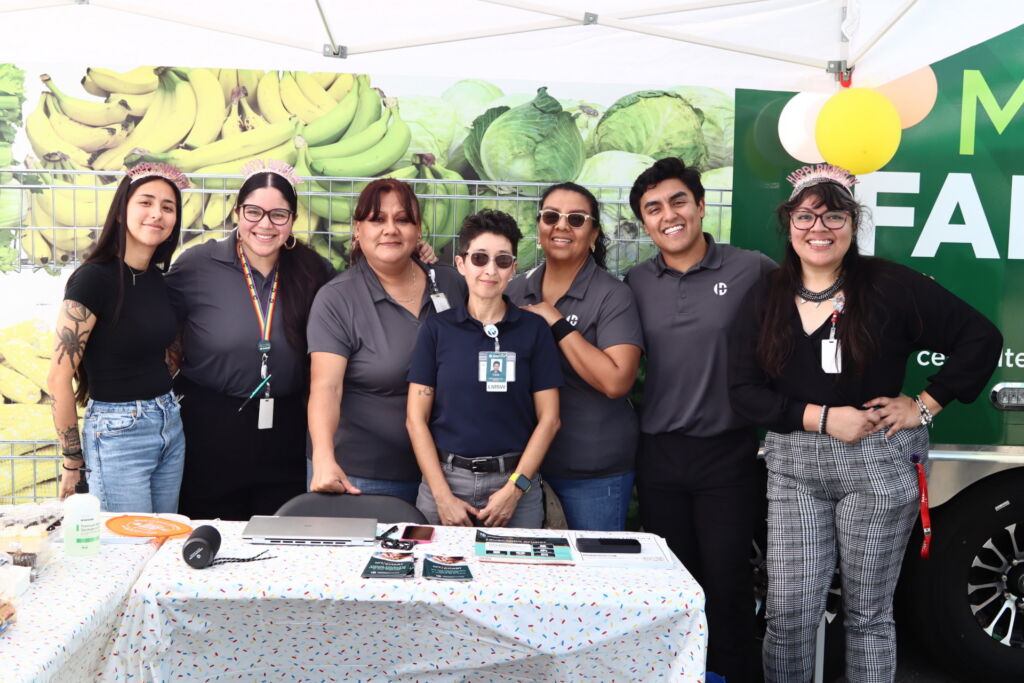
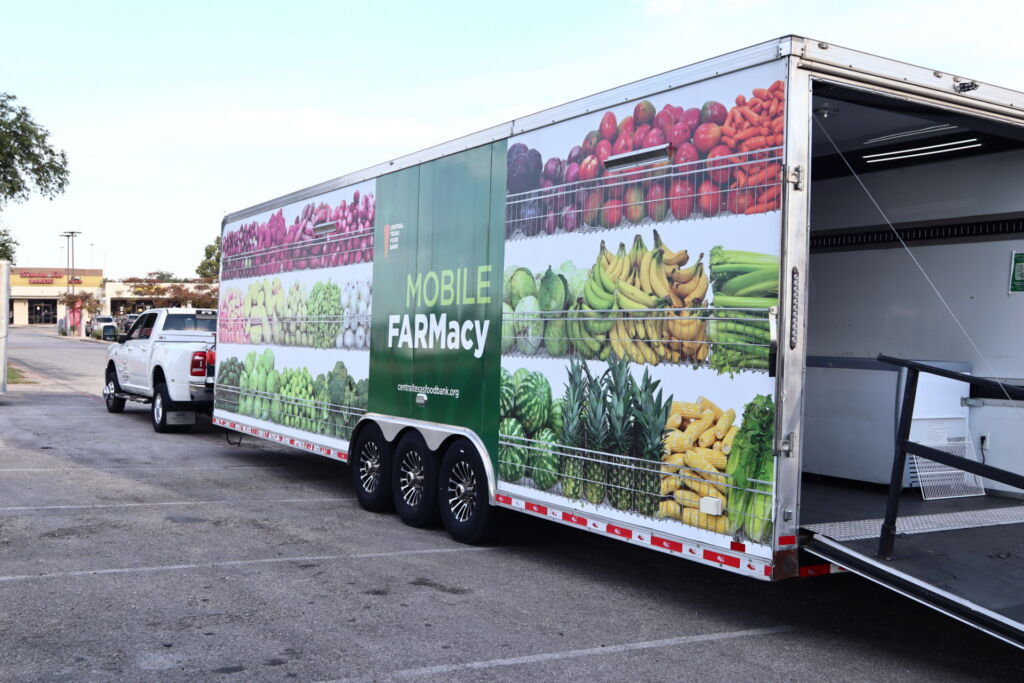
CommUnityCare Health Centers recognizes that supporting patients’ health means looking beyond traditional medical care to address the everyday challenges that can affect their well-being. Through the Mobile FARMacy program, CommUnityCare Health Centers connects patients with fresh food in partnership with the Central Texas Food Bank, helping address food insecurity and connect families with additional resources.
The Mobile FARMacy program allows patients to choose from a variety of nutritious food options, including produce and pantry staples, at no cost. The mobile pantry creates a personalized shopping experience where patients can select the items that best meet their household’s needs and preferences.
“We’ve found that one of the biggest barriers our patients face is food insecurity. Food is essential to survival, and that’s why Mobile FARMacy offers more than canned goods and shelf-stable items. Patients can also access nutritious options like fresh fruits and vegetables, dairy products, eggs and frozen proteins,” said Gabriela Torres, Community Engagement Lead.
Since launching in 2023, the program has grown to reach more patients across Central Texas who may face additional barriers to accessing food. Three years later, CommUnityCare Health Centers hosts two Mobile FARMacy events each month, serving approximately 65 patients per event, or about 130 patients monthly.
A Chance Encounter: Izayah Gibson
“It’s expensive to live. It feels expensive to breathe now,” said 19-year-old Izayah Gibson, describing the rising cost of everyday essentials.
For Izayah, discovering Mobile FARMacy was an unexpected reminder that support is available in his community.
While walking to his neighborhood beauty supply store with his fiancée, Memo, Izayah noticed the resource stationed outside the CommUnityCare Pflugerville Health Center. What started as a chance encounter became an opportunity to connect with the Mobile FARMacy program, explore the resources and establish medical care with CommUnityCare Health Centers.
As he browsed the available food, Izayah was excited to find fresh produce and frozen proteins, including ground turkey. He even had plans for some of the ingredients he selected, including making ratatouille with the eggplant he picked up.
For Izayah, the experience was about more than groceries. He described the program as a blessing and appreciated the sense of care and connection it brought to the community.
“When the community gets together and does something like this, it’s not only heartwarming, but it’s letting us normal people know that we’re still looked out for and that we’re still cared about,” he said. “Our voice and our lives do matter.”
Her Trusted Healthcare Home: Isabel Valdez
For Isabel Valdez, the resources available through CommUnityCare Health Centers are one reason she trusts the organization to care for her entire family.
Originally from Mexico, Isabel first connected with CommUnityCare Health Centers while pregnant with her first daughter. She appreciated the care and resources available to her family so much that, after moving to Pflugerville, she transitioned her care to the Pflugerville Health Center.
During a recent pediatric appointment with her youngest daughter, Isabel learned that Mobile FARMacy was stationed outside the health center. She was able to take advantage of the opportunity to bring home nutritious food for her household.
As a mother working to build a better future for her family, Isabel recognizes how valuable these resources can be, regardless of a family’s employment or circumstances.
“Queremos un mejor futuro para nuestra familia,” she said. “We want a better future for our family.”
She also emphasized that support like Mobile FARMacy can make a difference even for families who are working hard to provide for themselves.
“It’s a great resource because even though you work, food or any other benefit is always a help,” she said.
Isabel shared her gratitude for the services and resources available through CommUnityCare Health Centers, adding, “Muchas gracias por los servicios de CommUnityCare” (Thank you very much for the services provided by CommUnityCare).
Growing beyond the mobile pop-up
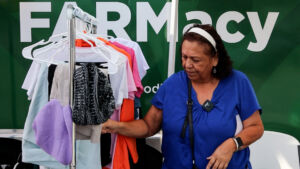 As the Mobile FARMacy program has evolved, so have the ways it supports CommUnityCare patients and the community.
One addition to Mobile FARMacy is Mi Tiendita, a small, welcoming shopping experience where patients can browse and select donated clothing, hygiene kits, educational materials and other essential items. The initiative grew from an idea to make donated goods more accessible and organized, allowing patients to choose what they need with greater comfort and dignity.
Patients can also connect with additional community resources through Findhelp, a free online platform that helps individuals locate local services, including food assistance, housing, transportation, health care and financial support.
The Mobile FARMacy program has also expanded its reach through Fresh Foods To-Go, an initiative developed in partnership with the CommUnityCare Sexual Health, Health Care for the Homeless Team. The effort brings fresh food directly to unhoused patients as the team provides care and support in the community, helping reach individuals who may face additional barriers to accessing traditional food resources.
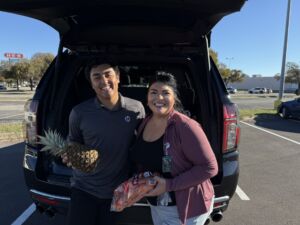 “While shadowing the team, I saw the important, patient-centered care they were providing to our unhoused neighbors. I recognized an opportunity to build on that work by bringing fresh food directly to the individuals they were already serving. It was a natural way to connect another essential resource with the care and support they were receiving,” said Jeremiah Alderete, Community Engagement Coordinator.
These expanded efforts demonstrate how the Mobile FARMacy program continues to evolve beyond its original model, creating more opportunities to connect patients with nutritious food and essential resources.
Melissa Johnson with the Central Texas Food Bank said the partnership helps ease some of the difficult choices families face when balancing household expenses.
“Groceries are high. Gas is high. Most people need to make a choice: Either I’m going to pay rent or I’m going to get food,” she said. “With CommUnityCare and the Central Texas Food Bank, we can ease that burden.”
She also encouraged patients who may need support to take advantage of the resources available.
“I feel like it’s important for people to not feel ashamed if they need help. We are here. The [CommUnityCare] clinics are here to help,” Johnson said.
Three years of connecting patients with resources
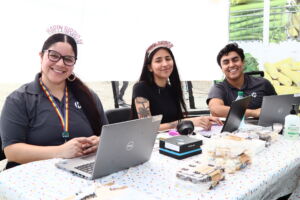 Since launching in 2023, Mobile FARMacy has recorded more than 4,300 appointments and instances of service, connecting patients and their families with nutritious food and additional community resources. The Mobile FARMacy currently serves patients at the CommUnityCare North Central Health Center, Pflugerville Health Center and William Cannon Health Center.
The program has also expanded through a partnership with its system partner, Central Health, which hosts additional events. Through its growing partnerships, what began as an effort to address food insecurity among patients has developed into a broader approach to connecting families with resources that support their health and well-being.
For the team, the impact is measured in more than the food distributed. It is reflected in the families supported, the connections made and the barriers removed along the way.
At its heart, Mobile FARMacy is a reminder that supporting health means looking at the whole person and recognizing that access to nutritious food and essential resources is an important part of care.
“Seeing the hope in our patients’ eyes and knowing we’re making a difference, even in a small way, is what makes this work so important,” said Torres.
Established patients can speak with their CommUnityCare Health Centers care team about experiencing food insecurity and request a referral to connect with available resources.