
From Surviving to Rebuilding: How Expanded Access to Care Makes a Difference for Terri Wright
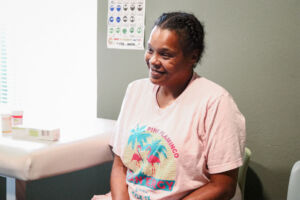
After experiencing homelessness and a near-death experience, 52-year-old Terri Wright is building a new chapter of her life. Now three years into recovery from substance use, she is finding stability and prioritizing her health. Access to medical and behavioral health care at Balcones Terrace is helping make that possible.
“I feel safe, and I feel supported,” Wright said.
Wright is among the residents benefiting from expanded access to integrated medical and behavioral health care at Balcones Terrace, a Permanent Supportive Housing community in Austin. Through the Permanent Supportive Housing Health Care Collaborative (PSHHCC), CommUnityCare Health Centers began providing medical services to residents at the property in September 2026.
While experiencing homelessness, Wright struggled to regularly access medical care. The effects of an overdose also continue to affect her memory, making it difficult to navigate the city and get to appointments.
“The convenience is a godsend. I don’t remember how to get around the city because of my memory,” Wright said.
Care that meets people where they are
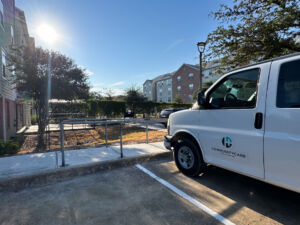 Balcones Terrace includes 50 Permanent Supportive Housing units identified to receive integrated medical and behavioral health services through the PSHHCC. The collaborative brings together CommUnityCare Health Centers, Central Health, Integral Care, the Ending Community Homelessness Coalition (ECHO) and Dell Medical School to improve access to care for people living in Permanent Supportive Housing.
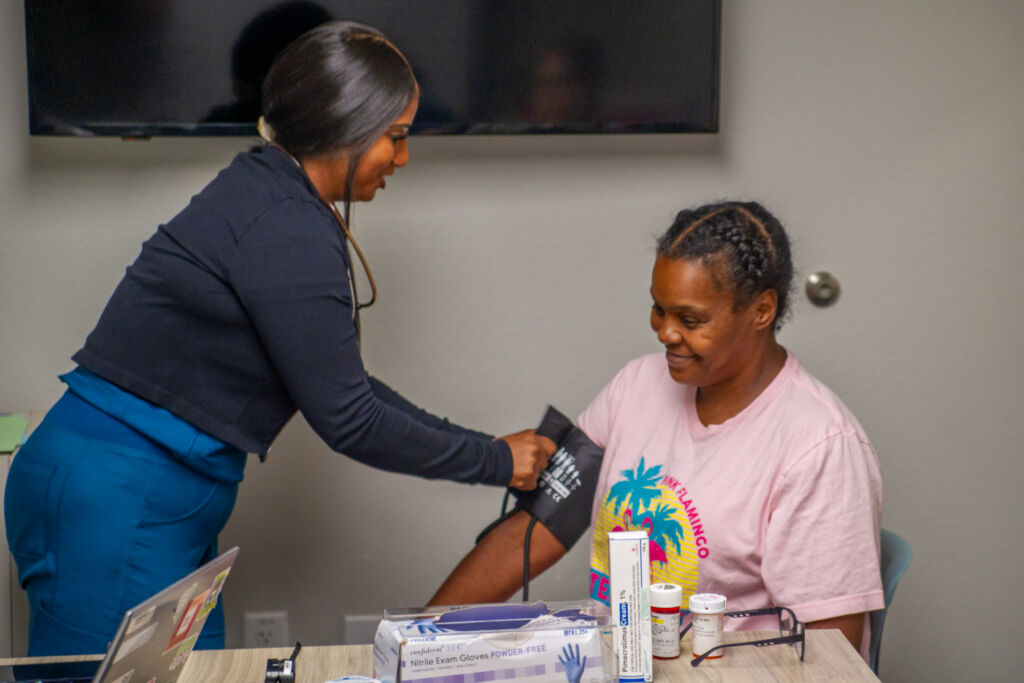
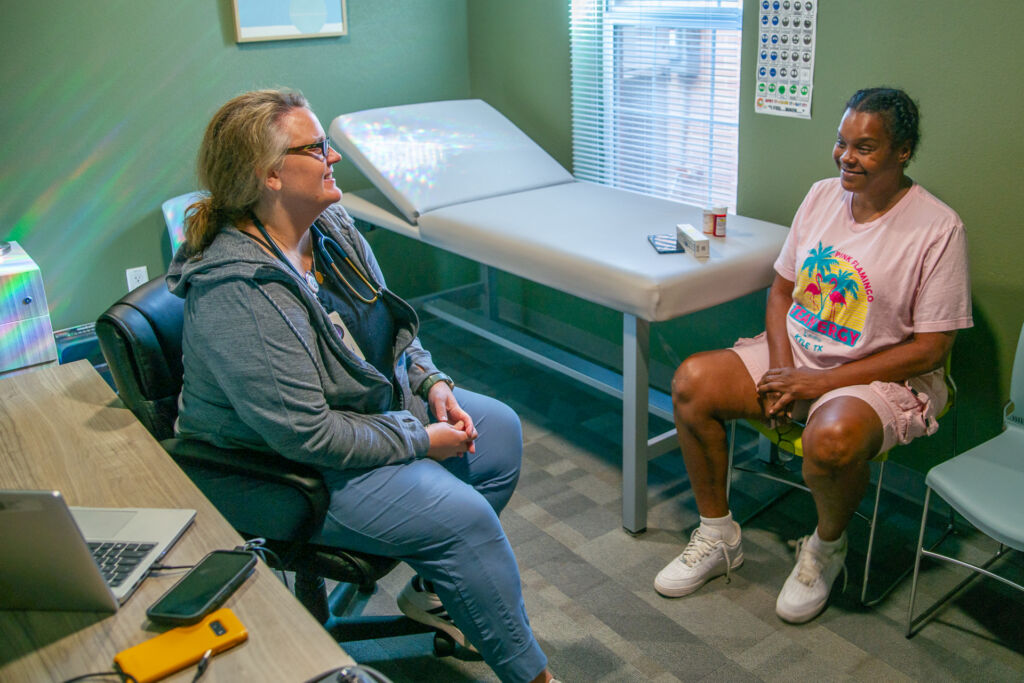
Rather than requiring residents to travel to a traditional clinic, the team brings services directly to them, whether in their apartment homes or in common areas.
CommUnityCare Health Centers provides primary and acute medical care, along with health care navigation. Integral Care provides behavioral health services, with both teams working alongside housing and property management staff to support residents.
During a recent visit, Wright received a medical examination and prescription refills. She also described the value of having access to therapy and a team she can turn to for support.
“Having the CommUnityCare team onsite to work with Foundation Communities’ residents is an absolute game-changer!” said Sofia Barbato, director of supportive services at Foundation Communities. “Many of our residents have not received medical care for many years, and they are reluctant to go to typical clinic settings to reestablish care. Because of this partnership, they don’t need to.”
Finding stability and moving forward
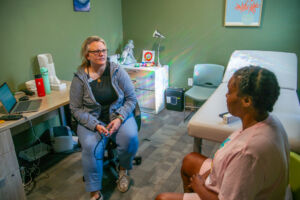
For Wright, having a safe place to live has been an important part of rebuilding her life. While experiencing homelessness, she faced the challenges of substance use and trying to stay safe on the streets. She shared that she had to be brought back to life after an overdose, an experience that continues to affect her memory.
Now three years sober, Wright is focused on moving forward and taking better care of herself.
“Now I’m just here trying to grow up again,” she said.
Having care close to home makes it easier for Wright to connect with providers and prioritize her health.
“I feel safe and I feel supported and I feel believed in, and that’s a combination for a win,” Wright said. “I’ve never received such compassionate help. I’m really, really grateful.”
Her experience reflects the PSHHCC’s goal of making health care more accessible for people who face barriers to traditional care settings. By bringing services directly to residents, the collaborative helps connect them with medical and behavioral health care while supporting their path toward greater stability.
Expanding access across the community
 Balcones Terrace is one of four Permanent Supportive Housing communities currently served by the PSHHCC, alongside Bungalows at Century Park, Cady Lofts and The Nellie. The collaborative plans to expand services to additional Permanent Supportive Housing properties over the next year as staffing allows.
For CommUnityCare Health Centers, the program is another way to reduce barriers to care and reach people who may otherwise go without needed services.
Wright hopes others will have the same opportunity to receive support.
“I hope that more people like me can get a chance to get help,” she said.