CUC-Anna

When Your Day Takes a Turn, We’re Here. Try the Video Visit Standby List. 

Camille Evans, Program Manager Telehealth Operations 
February 24, 2026

Some mornings just don’t go as planned. You wake up with a sore throat that wasn’t there yesterday. Your child spikes a fever before school. You check for appointments — and they’re already full. 

We understand. And we’re always looking for ways to make care more accessible when you need it most. That’s why CommUnityCare Health Centers offers the Video Visit Standby List, a flexible option that helps you connect with one of our providers the same day if a last-minute video appointment becomes available. 

What Is the Video Visit Standby List? 

The Video Visit Standby List may be a good option if you need care today, but no same-day appointments are available. This option is designed for established patients who: 

  • Are current patients of CommUnityCare Health Centers 
  • Have an active MyChart account 
  • Have a health concern that can safely be addressed by video 
  • Are available on short notice 

If you are experiencing a medical emergency, call 911 or go to the nearest emergency room. 

The Process is Simple: How It Works 

Getting started is easy. Simply log in to your MyChart account, go to Appointments, select the Video Visit Standby List, and follow the prompts to confirm. That lets us know you’d like to be considered if a same-day video visit becomes available. 

If an appointment opens up due to a cancellation, our team reviews the standby list and reaches out to eligible patients. If we contact you and you’re available, the appointment is yours! 

While joining the list gives you another opportunity to be seen, it’s important to remember that it doesn’t guarantee a same-day visit. Openings depend on last-minute availability and can happen at any time, sometimes with short notice. If we don’t hear back quickly, we may need to offer the appointment to another patient so the time doesn’t go unused. We truly appreciate your flexibility as we work to care for as many patients as possible. 

Video visits are scheduled with the next available provider, which may not be your regular primary care provider, but you can still expect the same quality, compassionate care you know and trust. 

Expanding Access, One Visit at a Time 

The Video Visit Standby List helps fill last-minute openings and allows us to serve more patients each day. It’s one more way CommUnityCare Health Centers is working to improve access and make care easier and more convenient for you. 

If you don’t have a MyChart account yet, sign up today! To get started, CLICK HERE.  

Small Steps, Big Changes: Your Guide to Setting Healthier Habits  

Elyse B Henson, RDN, LDN; CommUnityCare Clinical Nutrition Manager
February 24, 2026

Setting healthy habits can feel overwhelming, especially when we’re making big changes all at once. The good news? Research shows that small, specific goals are much more likely to stick than trying to change everything at once. 

Healthy change works best when you take it one step at a time. This guide will help you set realistic goals that build momentum and lead to lasting improvements in your eating habits and physical activity. 

Why Small Goals Work 

Think of healthy habits like building a staircase — you take one step at a time. When you set small goals and achieve them, you build confidence and create routines that last. 

Studies show that people who set specific, achievable goals and track their progress are more successful than those who try to overhaul their entire lifestyle overnight. Small wins add up.

How to Set Goals That Work 

Use this simple framework to create goals that fit your life: 

  • Make it Specific: Instead of “eat healthier,” try “add one vegetable to dinner three nights this week.” 
  • Make it Measurable: Choose goals you can track, like “walk 15 minutes after lunch on Monday and Thursday.” 
  • Make it Achievable: Start where you are. If you’re not exercising now, begin with 10 minutes of movement you enjoy each day. 
  • Make it Realistic: Consider your schedule, budget, and what’s available in your neighborhood.  
  • Make it Time-Specific: Set a timeframe, such as “this week” or “for the next two weeks.”

Build Momentum and Track Your Progress 

Once you’ve met a goal consistently for two to three weeks and it feels like a habit, build on little by little. Lasting change takes time. Celebrate your wins, then take the next small step.  

To track your progress, keep it simple.  

  • Put a checkmark on your calendar when you meet your goal. 
  • Set reminders on your phone. 
  • Notice how you feel — more energy, better sleep, or improved mood. 

Ready to get started? Pick ONE goal today and begin this week. Write it down, tell a friend or family member, track your progress, and celebrate your win! If things don’t go as planned, don’t give up. Life happens. Just start again. Progress, not perfection, is what matters. 

Examples of Healthy Starting Goals 

  • “I will drink one glass of water when I wake up each morning this week” 
  • “I will add frozen vegetables to my dinner two nights this week” 
  • “I will pack my lunch the night before on Sunday and Wednesday” 
  • “I will take a 10-minute walk around my block three days this week” 
  • “I will stand up and move during TV commercials” 
  • “I will attend one free community exercise class this month” 

CommUnityCare Health Centers Nutrition Services  

Nutrition support is part of your care. Our registered dietitians work with your provider to help you build a plan that fits your life. Talk to your provider today about scheduling a visit with a dietitian. 

Why Colorectal Cancer Screening Matters – Even When You Feel Perfectly Healthy  

Era Steinfeld, MA; Senior Research Program Coordinator at Dell Medical School
Arianna Williams, MS; Community Health Worker at Black Men’s Health Clinic 
February 24, 2026

Colorectal cancer is one of the most preventable cancers, yet it remains the second leading cause of cancer deaths in the United States. March is Colorectal Cancer Awareness Month, an important reminder that regular screenings and healthy lifestyle changes can help prevent colorectal cancer and save lives. 

Understanding Colorectal Cancer 

Colorectal cancer starts in the colon or rectum, usually from small growths called polyps that can turn into cancer over time. It is one of the most common cancers, but it is also one of the most preventable with regular screening.

Many people think they do not need screening if they feel fine, but colorectal cancer often does not cause symptoms at first. Warning signs can include blood in the stool, ongoing stomach pain, changes in bowel habits, or unexplained weight loss. Screening can find problems early, before symptoms develop, and when treatment works best. 

When to Get Screened 

Most adults should begin screening at age 45, or earlier if they have a family history of colorectal cancer or certain medical conditions. There are different screening options available, including at-home stool tests and colonoscopies. Talk with your healthcare provider about which option is right for you. 

What Patients Can Do Next 

There are also lifestyle changes that you can make to help reduce your risk. Maintaining a healthy weight through regular physical activity and a balanced diet is important. Aim for meals rich in fruits, vegetables, whole grains, and fiber, while limiting processed meats and highly processed foods. Avoiding tobacco, limiting alcohol use, and staying up to date with recommended colorectal cancer screenings can all help reduce risk. 

This March, in recognition of Colorectal Cancer Awareness Month, we encourage you to focus on healthy lifestyle changes and ask your CommUnityCare Health Center provider about scheduling a preventive screening. Taking action today can make a lasting difference in your health. 
Central Health and CommUnityCare Receive Renewal for Federal Health Center Program, Strengthening Access to Care Across Central Texas

February 23, 2026

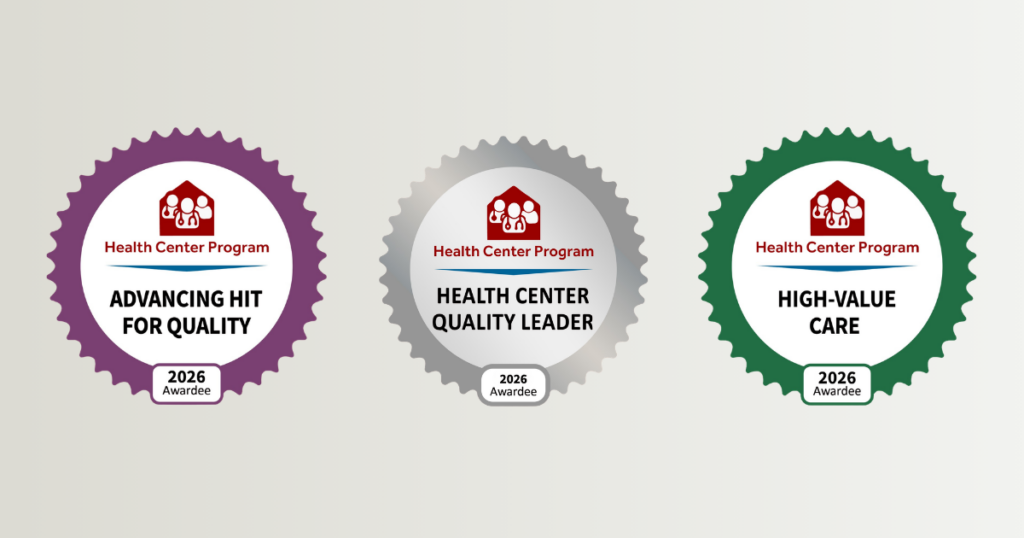
Austin, Texas — The Health Resources and Services Administration (HRSA) has awarded Central Health and CommUnityCare Health Centers continued federal funding through its Health Center Program (Section 330) following the recent Service Area Competition (SAC). 

While HRSA funding is awarded annually, health centers must successfully compete every four years to maintain participation in the program. This renewal affirms CommUnityCare Health Centers’ status as a Federally Qualified Health Center (FQHC) and marks the organization’s 18th consecutive year in the federal Health Center Program. 

Beyond direct federal funding (including $6.8 million annually for the renewal), Health Center Program participation provides significant community benefits, including: 

  • Access to reduced-cost medications for patients
  • Enhanced Medicaid reimbursement supporting sustainability of safety-net care 
  • Federal medical malpractice coverage for providers 
  • Expanded access to comprehensive care for uninsured and underinsured residents 

This award supports the unique co-applicant agreement between Central Health and CommUnityCare Health Centers, reinforcing the strength of this public-nonprofit collaboration in expanding access to comprehensive, high-quality care for individuals and families across Travis County and surrounding communities. 

CommUnityCare and Central Health have built over the past two decades the foundation for something unique in this country: a whole-person health system built around community health centers,“ said Dr. Nicholas Yagoda, chief executive officer of CommUnityCare Health Centers and executive vice president of ambulatory services at Central Health. “We are grateful to HRSA and the Travis County taxpayers for their continued Investment in this bold future.” 

This investment supports the full scope of services delivered across CommUnityCare Health Centers, including primary medical care, behavioral health services, dental care, women’s health services, pharmacy services, Healthcare for the Homeless programs, HIV prevention, specialty care, and enabling services such as care coordination and outreach. 

In fiscal year 2025 (which runs Oct. 1, 2024–Sep. 30, 2025), CommUnityCare Health Centers served 148,234 unique patients, provided 507,679 in-clinic visits, delivered 50,062 virtual visits, and totaled 557,741 patient visits — reflecting the continued demand for accessible, affordable care across Central Texas. 

“This investment reinforces the power of partnership in building a stronger, more accountable public health system. Our model is grounded in dual accountability — to our patients, who rely on us for accessible, high-quality care, and to the taxpayers whose support makes that care possible,” said Dr. Pat Lee, president and chief executive officer at Central Health.” Together with CommUnityCare, we’ve created a connected system that listens to patient voices, responds to community need, and delivers care across the full continuum. This renewal helps ensure that model continues to grow and serve Central Texas families.” 

A Collaborative Model That Sets the Standard 

Created by Travis County voters, Central Health is the local public entity responsible for providing access to health care for residents with low incomes. Together, Central Health and CommUnityCare Health Centers operate under a unique co-applicant model that integrates public funding, patient-led governance, and unified clinical operations. 

Many health centers operated by CommUnityCare Health Centers are located in facilities owned by Central Health. In addition, Central Health administers the Medical Access Program (MAP), which provides a locally funded coverage option for low-income, uninsured residents who often have limited or no access to affordable insurance in Texas. MAP serves as a critical payer source, enabling thousands of patients to receive comprehensive care at CommUnityCare Health Centers. 

According to 2024 Uniform Data System (UDS) data reported by the Health Resources and Services Administration, CommUnityCare Health Centers served 77,935 uninsured patients, representing 54.34% of the total patient population — a reflection of the organization’s role in meeting the needs of residents with limited insurance access. 

The two organizations jointly hold Federally Qualified Health Center (FQHC) status, aligning public resources with community-based care delivery to expand access for individuals who might otherwise go without care.  

This level of integration distinguishes the Central Health and CommUnityCare agreement from many other health center models. By aligning public resources with community-based care delivery and operating within a unified system, the collaborative model strengthens accountability, expands preventive and primary access for children and adults and ensures services remain responsive to the evolving needs of Travis County residents. 

Together, the organizations are working toward a more seamless and recognizable system of care, reinforcing a shared commitment to advancing health equity across Central Texas. 

### 

About CommUnityCare Health Centers 

Central Texas Community Health Centers, dba CommUnityCare is a 501.c.3 tax-exempt charitable corporation operating a network of 30+ federally qualified health centers (FQHCs) in Central Texas. Our mission is to strengthen the health and well-being of the communities we serve. The services at CommUnityCare Health Centers are available regardless of insurance status or household income. For more information, please visit https://communitycaretx.org. 

### 

About Central Health  

Central Health is the hospital district serving Travis County. Created by voters in 2004, Central Health plans, pays for, and provides care for residents with low income, ensuring care is free or highly affordable for those who need it most. Together with CommUnityCare Health Centers and Sendero Health Plans, the Central Health system forms a unified, publicly accountable health system focused on expanding access, reducing wait times, and delivering measurable value for patients and taxpayers across Central Texas. 


Expanded Bastrop Health Center Brings Pediatric Care Closer to Home

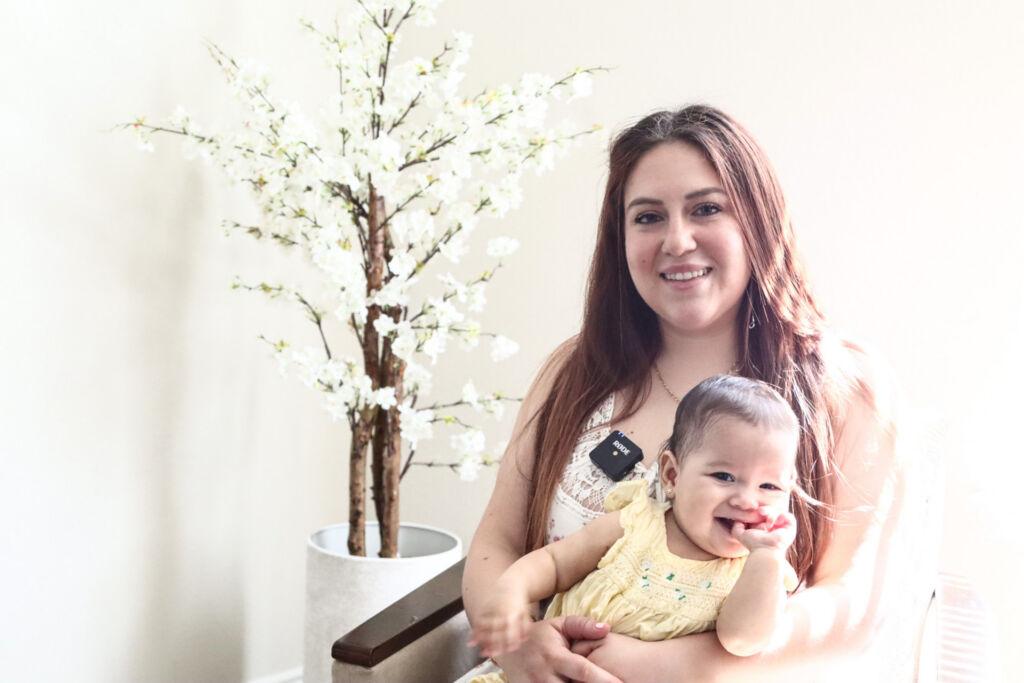
For 11 years, Olga Montano has trusted CommUnityCare Health Centers with her health care. She received prenatal care at the Bastrop Health Center during her pregnancy, and now, as a new mom, she’s grateful she can bring her daughter to the same clinic. 

“It’s really convenient because it’s close by, and I don’t have to drive all the way to Austin,” said Montano, a Bastrop resident and longtime patient. “Being able to bring my daughter here too means we can both get care in the same place, and I can schedule appointments quickly if something comes up.” 

That convenience is the result of a recent expansion at the CommUnityCare Bastrop Health Center, where pediatric services now operate alongside women’s health care. The expansion reflects a commitment to provide continuous, comprehensive care for families in a region that has historically faced limited access to health care and other essential resources.

The project expanded the clinic into adjacent commercial space, adding five pediatric exam rooms, one additional women’s health exam room, and on-site financial eligibility services. Renovations created a unified, 3,605-square-foot clinic with a shared entrance and centralized waiting area designed to offer a more streamlined, family-friendly experience. 

“This is a very unique opportunity to care for families from the very beginning,” said Monica Thint, MD, pediatrician at the Bastrop Health Center. “Having obstetric and pediatric care in the same location allows us to build relationships during pregnancy and continue caring for babies after they’re born. That kind of continuity supports prevention, early intervention, and healthier outcomes across a child’s life.” 

Families no longer need to navigate multiple systems or travel 30 to 45 minutes to Austin for pediatric appointments. Instead, they can access trusted providers close to home, reducing barriers such as transportation challenges, time away from work and missed school. For first-time parents like Montano, that reassurance makes a meaningful difference. 

“Being able to ask questions and talk to a provider I trust makes a big difference,” she said. 

The expansion of pediatric services at the Bastrop Health Center reflects the broader mission of CommUnityCare Health Centers to strengthen the health and well-being of the communities it serves. By investing in local access and building care around families, the organization continues to support long-term health in Bastrop. 

Bastrop Health Center Tours 

Community members interested in seeing the expanded space and learning more about services are invited to attend upcoming Bastrop Health Center tours on April 20 and May 4 from 4 to 6 p.m. 

For more information or to schedule an appointment at the Bastrop Health Center, CLICK HERE. 

A Farewell: CommUnityCare Health Centers Board Member Barbara Brooks-Robinson Reflects on 16 Years of Service

As my time of service on the Board of Directors of CommUnityCare Health Centers comes to a close, I reflect with deep gratitude, humility, and pride on this extraordinary journey. 

I first became a patient in 2008 and then joined the CommUnityCare Health Centers Board of Directors in 2010. My relationship with this organization began at one of the most vulnerable moments of my life. After suffering from a heart attack in 2008, I became unemployed and lost my health insurance. Accessing the care I needed felt overwhelming and uncertain, until a social worker introduced me to CommUnityCare. 

Through CommUnityCare Health Centers, I received not only treatment for my heart condition, but care for multiple pre-existing conditions, access to specialty services, and timely, compassionate follow-up. I am also a 46-year cancer “thriver.” I use that word intentionally; survivors live in the wilderness, but thrivers live in the promised land. By the grace of God and through the care I have received over the years at CommUnityCare Health Centers, I continue to thrive. Ongoing monitoring and early detection have been life-giving, and I remain deeply grateful to the physicians and care teams who have walked alongside me. 

I was recommended to the board of directors by a triage nurse, an invitation that changed the course of my life. What many may not realize is that Federally Qualified Health Centers are required to maintain a patient majority of 51% on their boards. One of our most important responsibilities as the board of directors is to identify gaps in care for underserved communities and to partner with leadership to ensure those needs are met. Serving as a patient board member has been both a responsibility and an honor. 

One of my proudest accomplishments during my 16 years of service was the creation of the Patient Experience Committee, a space where patient-centered board members could elevate concerns, share lived experience, and also celebrate successes. Throughout my tenure, I served on many committees and conclude my service as Chair of the Nomination and Governance Committee. I take pride in knowing that my leadership helped shape bylaws, policies, and procedures that continue to guide this board today, and that many current directors came through this governance process. 

Advocacy has also been central to my service. Over the years, I have traveled frequently to Washington, D.C., and to the Texas State Capitol to advocate for funding for Federally Qualified Health Centers and to raise awareness about the growing mental health crisis. These efforts were always rooted in the belief that access to quality health care is not a privilege; it is a necessity. 

When I joined the board of directors, CommUnityCare Health Centers operated around 21 sites. Today, the organization has grown to more than 30 sites. Witnessing this growth, and the ongoing efforts to realign clinical assets to meet the changing demographics and needs of Travis County, has been incredibly rewarding. 

Beyond my board service, I have served as a prison minister for more than 21 years. I often say that I was saved to serve. Many of the women I minister live with a mental illness, chronic conditions, and significant barriers to care. My involvement with CommUnityCare Health Centers has equipped me with the knowledge to help individuals navigate the system, qualify for services, and access the care they desperately need, especially those reentering the community after incarceration. 

As I continue to evolve into my purpose, I remain profoundly thankful to CommUnityCare Health Centers and Central Health for the opportunity to serve. I serve so that others may feast from the same table I did when I was in need. CommUnityCare Health Centers is, and will always be, my health care of choice. 

I leave this role personally blessed, deeply fulfilled, and committed to continuing to pay it forward. Thank you for the privilege of allowing me to serve alongside such dedicated leaders, providers, and advocates for our community. 

With gratitude, 
Barbara Brooks-Robinson 


Severe Winter Weather Updates

Last updated: Monday, January 26, 2026 at 5:07 pm 

Due to severe winter weather conditions, some CommUnityCare Health Centers clinic operations will be adjusted to ensure the safety of patients and staff. 

Patients are encouraged to regularly monitor official CommUnityCare Health Centers communication channels for the latest updates and consider telehealth options when available.  

Saturday, January 24 Updates 

Walk-In Care at Capital Plaza Specialty Clinic and Southeast Health and Wellness Center will operate with reduced hours on Saturday, January 24, 2026 and will CLOSE at 5 p.m.  

For laboratory services at these locations, Quest specimens must be placed in the lock box by 5 p.m. to ensure early courier pickup. 

Sunday, January 25 Updates  
Walk-In Care at the Capital Plaza Specialty Clinic will CLOSE on Sunday, January 25, 2026 for in-person visits. Patients may still receive care through telehealth appointment.

Monday, January 26 Updates 

ALL CommUnityCare Health Centers, including convenient care, will CLOSE on Monday, January 26, 2026, for in-person services. Patients are encouraged to schedule a telehealth appointment so you can continue receiving care safely from home.  

To schedule a telehealth appointment, click the MyChart links below:   

If you need help scheduling or changing an appointment, please contact the Patient Navigation Center at 512-978-9015.

Tuesday, January 27 Updates 

While road conditions are improving, out of an abundance of caution, ALL CommUnityCare Health Center locations will have a delayed start on Tuesday, January 27, with in-person services beginning at 10 a.m. Clinic operations will resume back to normal business hours, following the delayed start.  

If you feel unsafe traveling due to road conditions, telehealth appointments are available so you can continue receiving care from home. 

Patients who do plan to visit in person are encouraged to drive with caution. We will continue to monitor conditions closely and share updates if any changes occur. Thank you for your patience as we remain focused on safely continuing patient care for our community. 

Wednesday, January 28 Updates 

CommUnityCare Health Centers will resume all normal operations on Wednesday, January 28. 

Expanded Dental Access Shows Immediate Impact for Patients in Need 

Painful swelling in her neck and mouth. The inability to chew. Growing concern from her family. These symptoms are what prompted 67-year-old Rosa Ramos to urgently seek dental care at CommUnityCare Health Centers. 

Ramos recalls repeatedly trying to secure a timely dental appointment across Travis County, with no success, until she called CommUnityCare Health Centers. 

“They [CommUnityCare] said come in tomorrow. You have an appointment with the dentist,” shared Ramos. 

That next-day access was made possible thanks to the ongoing work CommUnityCare Health Centers has done to strengthen its dental care capacity, improve patient flow, and ensure timely care for individuals with immediate or urgent needs. In Fiscal Year 2025, the organization launched two major initiatives aimed at improving access: the Expanded Access Pilot Program and an enhanced Standby Process for same-day dental visits at its HUB sites – North Central Health Center and Southeast Health and Wellness Center. 

For Ramos, these initiatives led to care that may have saved her life. 

At her visit, Dr. Jay Jensen, lead dentist at the CommUnityCare North Central Health Center, immediately recognized the warning signs of a severe infection approaching the airway, a potentially life-threatening situation. 

“I couldn’t let her go home that day,” he said. “Knowing what I knew, I knew she had to get this taken care of now.” 

Dr. Jensen quickly coordinated an urgent referral to an oral surgeon. Ramos was admitted to the hospital and taken into surgery the very same day. She spent four days in intensive care as the medical team monitored the swelling. 

Ramos is recovering and slowly returning to eating normally again. “Thank God they saw me and sent me a referral for help right away,” she said. 

Access to timely dental care is especially critical for the patient population CommUnityCare serves. Many individuals in Travis County are low-income, uninsured, or underinsured, facing systemic barriers such as limited provider availability, cost, and transportation. According to the CDC, these factors contribute to significant oral health disparities and higher rates of untreated dental disease among low-income communities. 

Through the Expanded Access Pilot Program, dentists volunteer to cover open sessions when another provider is out due to PTO, FMLA, illness, or vacancies. This approach reduces cancellations, preserves daily schedules, and helps ensure that both adult and pediatric patients receive care without delay. 

Between October 2024 and September 2025, expanded access allowed 1,355 general dental patients and 5,762 pediatric dental patients to be seen who may otherwise have faced prolonged wait times. 

The organization also redesigned its Standby Process for patients with more urgent needs. After two improvement cycles, wait times decreased from 74 minutes to just 41 minutes. From June to September 2025, 2,070 patients walked in and were seen the same day at the CommUnityCare North Central Health Center and Southeast Health and Wellness Center. 

“Our mission is to take care of patients. Opening more access gives them the opportunity to be treated in a way they might not have been able to before,” said Dr. Jensen. 

CommUnityCare Health Centers will be implementing these initiatives system-wide in fiscal year 2026 as it continues to expand access to care for Central Texas. 

Ramos’ story is a powerful reminder of how expanded access paired with attentive, compassionate care can make all the difference when patients need help most. 

To learn more about CommUnityCare Health Centers’ dental services, visit here.  

Dr. Nicholas Yagoda Appointed to TACHC Board of Directors

CommUnityCare Health Centers is proud to announce that Chief Executive Officer Dr. Nicholas Yagoda has been appointed to serve on the Texas Association of Community Health Centers (TACHC) Board of Directors. 

The TACHC Board is composed of leaders from community health centers across Texas who work together to advance access to care and strengthen the community health center movement statewide. 

As the provider representative on the board, Dr. Yagoda will also serve as Chair of the Clinical Affairs Committee. This committee provides guidance and feedback to the Board and staff on various clinical matters, including medical, dental, behavioral health, and pharmacy. The Clinical Affairs Committee plays a vital role in helping community health centers across Texas deliver high-quality, patient-centered care to those who need it most. 

“Serving on the TACHC Board is both an honor and a responsibility,” said Dr. Yagoda. “I look forward to collaborating with colleagues from across the state to advocate for policies and initiatives that expand access to care and strengthen the community health center network that so many Texans rely on.” 

TACHC represents more than 75 community health center organizations that provide care to nearly 1.7 million patients annually across Texas. Through leadership, training, and advocacy, TACHC works to ensure that all Texans, regardless of income or insurance status, can access affordable, comprehensive care.


Important Update: Support for Food and Basic Needs During the Government Shutdown 

The ongoing federal government shutdown has temporarily paused SNAP (Supplemental Nutrition Assistance Program) benefits, creating uncertainty for many families who rely on this essential support to put food on the table. To check the status of your SNAP benefits, please visit Your Texas Benefits. 

At CommUnityCare Health Centers, we recognize how deeply this disruption can impact our patients, team members, and the Central Texas community and are closely monitoring the evolving situation.  

Medicaid, CHIP, TANF, and WIC are not currently affected by the Federal Government Shutdown. For updates on how the federal shutdown is impacting your benefits, please visit the Texas Health and Human Services website. 

To help those affected, CommUnityCare Health Centers and Central Health gathered a list of community resources available across the region. These organizations provide immediate assistance for food, clothing, and other essential needs.


Food and Pantry Resources 

If you or someone you know is affected by the SNAP suspension or needs access to nutritious food, several community programs are stepping up to help: 

Other Basic Needs and Assistance 

Beyond food assistance, several local organizations are available to help with other unexpected hardships during this challenging time. 

  • Social Resource Center (UT School of Nursing): Offers a free food pantry, clothing closet, and an office center (with internet/fax access). Located at 5301 Ross Road, Bldg. J, Del Valle. Call 512-386-3309 for more information. 
  • St. Austin Catholic Parish – Outreach Program: Can assist a few people each week with a little bit of rent, City of Austin Utilities, or Texas Gas bills via a weekly random lottery drawing. Eligibility is restricted to certain zip codes (e.g., 78702, 78723, 78724, 78741, 78744, 78745, 78753, or 78758). 
  • Operation Clean Clothes (Mission Accomplished): Provides a mobile laundry service for those experiencing homelessness. Call 512-588-3321 for more info. 

 How to Find More Help 

A comprehensive directory of free or reduced-cost resources for food, housing, financial assistance, and health care is available online: 

For Healthcare

CommUnityCare Health Centers provides comprehensive primary and preventive care services regardless of your ability to pay. CommUnityCare Health Centers accepts patients with Medicaid, Medicare, MAP, most insurance plans, and offers a sliding fee discount program based on household income. Set up an appointment with a financial eligibility specialist today, CLICK HERE. 

CommUnityCare Health Centers stands with every member of our community during this uncertain time. We are continuing to monitor the government shutdown and its impact on essential programs like SNAP. We remain committed to sharing reliable updates and connecting our patients, staff, and neighbors with the support they need.