
Breast Cancer Awareness. What to Know About Mammograms and Early Detection.
Miranda Helmick, RTRM | Imaging Program Manager
October 19, 2026

October is Breast Cancer Awareness Month, and we love the color pink! But breast health is important all year long. Knowing when to schedule a mammogram, how to prepare for your appointment, and what to expect can help you feel more confident about taking care of yourself.
About 1 in 8 women in the United States will develop breast cancer during their lifetime. Early detection is key, and routine screening can help identify breast cancer before symptoms appear.
At what age should you start getting mammograms?
The American College of Radiology, Society of Breast Imaging, and U.S. Food and Drug Administration recommend regular mammograms beginning at age 40 for most women at average risk.
Women at higher-than-average risk, including those with a strong family history of breast cancer, certain genetic mutations, or a history of chest radiation, may need to begin screening earlier. Talk to your provider, who can help determine the screening schedule that is right for you.
It is also important to become familiar with your breasts and understand what is normal for your body. Performing regular breast self-exams can help you recognize changes in your breasts. While self-exams do not replace recommended mammograms, they can help you identify changes such as a new lump, thickening, skin changes, or nipple changes. If you notice anything unusual, contact your provider.
Can/should I still get mammograms if I have breast implants?
Yes! Having breast implants does not mean you should skip your recommended mammograms. Be sure to tell the scheduling team and technologist that you have implants before your imaging appointment.
The technologist may need to use additional imaging techniques to help capture the breast tissue around the implants. Letting the imaging team know ahead of time helps them prepare for your appointment.
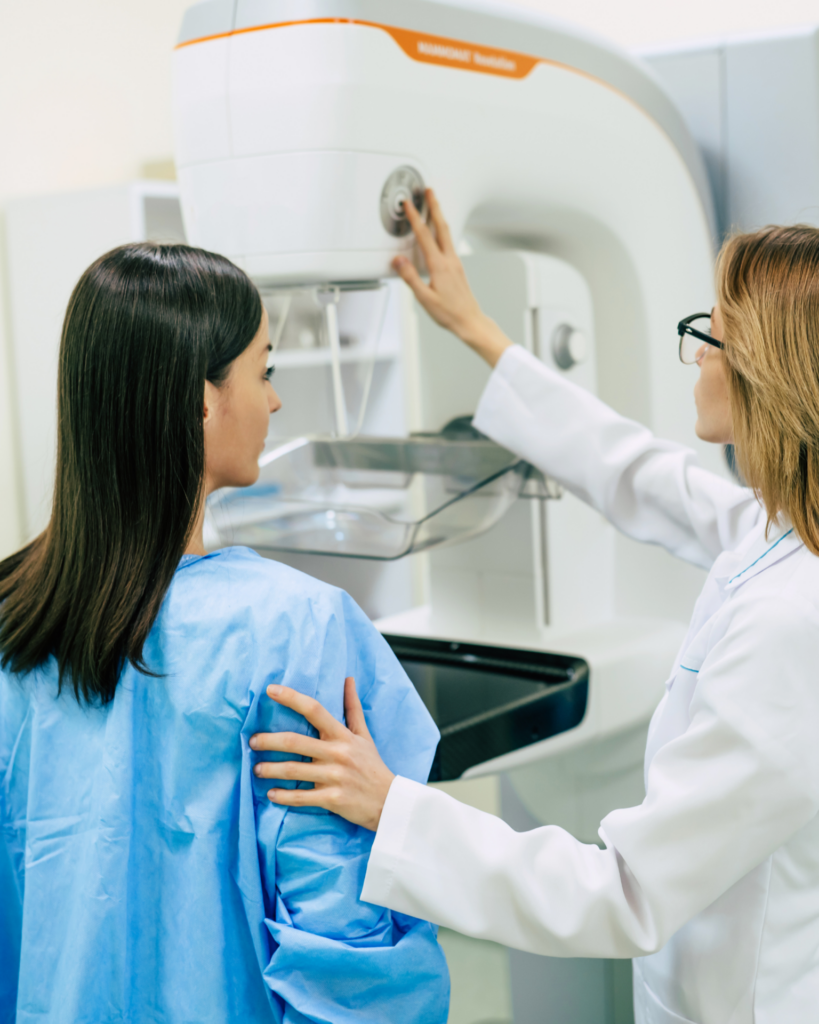

How do I prepare for a mammogram?
Preparing for a mammogram is simple! On the day of your appointment, avoid wearing deodorant, powders, or lotions under your arms or on your breasts. These products can appear on mammogram images and make them more difficult to interpret. It is also a good idea to leave your jewelry at home.
When you arrive, you may be asked to complete a questionnaire about your health history. The questions help the technologist and radiologist understand your medical background and any concerns you may have. You may be asked about previous breast surgeries, hormone therapy, family history of breast cancer, and whether there is any possibility you could be pregnant.
If you are pregnant or think you may be pregnant, let your provider and the imaging team know before your appointment. They can help determine the most appropriate next steps, especially if you have noticed a breast lump or another concerning change.
Is there anything I can do to make the process easier?
A few simple steps may help make your mammogram more comfortable.
If your breasts tend to feel tender around your menstrual cycle, consider scheduling your appointment for a time when they are less sensitive, if possible. Some people also find that reducing caffeine intake helps with breast tenderness, although the evidence is limited.
If you are concerned about discomfort, talk with your provider about whether an over-the-counter pain reliever, such as acetaminophen or ibuprofen, is appropriate for you before your appointment.
Most importantly, do not put off your screening because you are worried about discomfort. The imaging team can walk you through the process and answer your questions.
When will I get my mammogram results?
Results may take up to two weeks, depending on the imaging facility and whether additional testing is needed.
If you use MyChart, your provider may release your results through your account after reviewing them. You may also receive a letter in the mail from CommUnityCare Health Centers with the same results.
If you have questions about your results or have not received them within the expected timeframe, contact your provider or the clinic where you had your mammogram.
We’re here to help
At CommUnityCare Health Centers, we are committed to supporting every family with compassionate care, clear information and ongoing follow-up. If additional testing or treatment is needed, we’ll work with you to develop a plan and be with you every step of the way. You are not alone. We’re here to help protect the health of you, your family and our community.
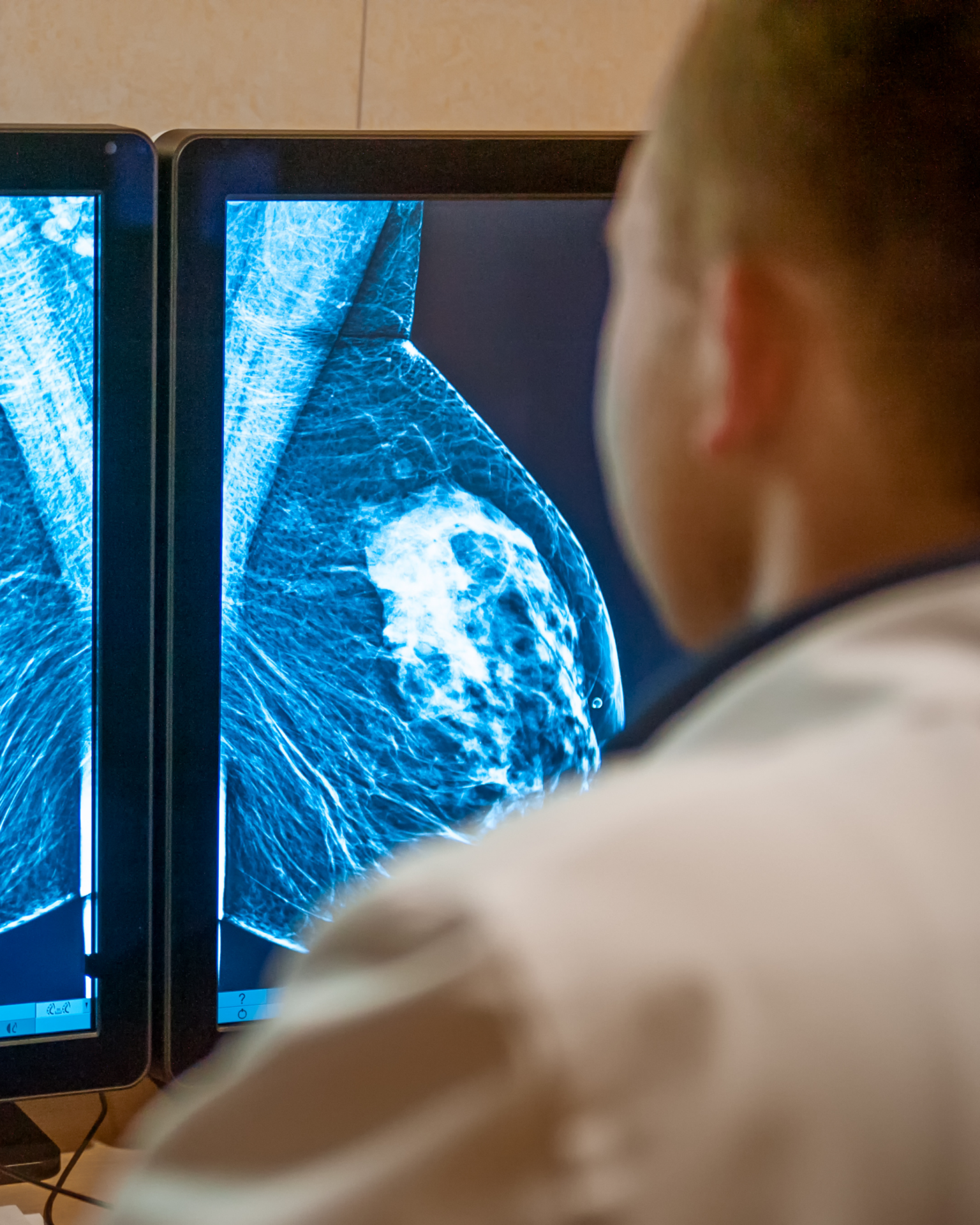
Take charge of your breast health.
Breast health matters not only in October but year-round. Early detection is key, and staying up to date on recommended screenings is an important step in caring for yourself.
Ready to schedule your mammogram? Use MyChart or call your CommUnityCare Health Centers clinic to learn about scheduling and available services. If you have questions about when to begin screening, talk with your provider about what is right for you.