
Concerned About Lead Exposure? Understand Your Risk and When to Get Tested
Dr. Michael Stefanowicz, Chief Health Officer
July 22, 2026
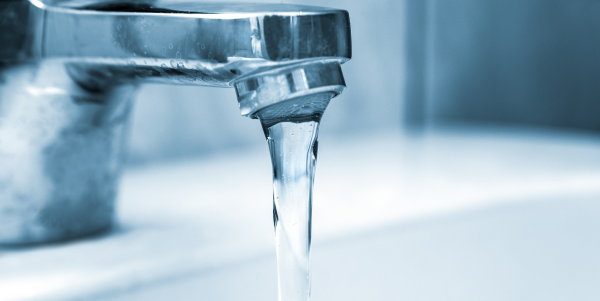
Potential lead exposure can be concerning, especially for families with young children and those who are pregnant. If you live in an area where officials have identified concerns about lead in drinking water, you may be wondering what it means for you and your family.
A study published in May 2026 on drinking water quality in Austin’s Colony has brought increased attention to potential lead exposure in the community. Understanding your risk and getting tested are important steps in protecting your health and your family’s health.
Why is lead exposure a concern?
Lead is a metal that can affect the brain and nervous system. Even small amounts of lead can be harmful, especially for babies and young children whose brains are still developing.
There is no known safe level of lead in the body. Because lead exposure often happens without any symptoms, a blood test is the only way to know if someone has been exposed.
Many people who have elevated lead levels feel completely healthy. Lead cannot be seen, smelled or tasted in drinking water, and it’s important to remember that lead exposure can also come from other sources, including lead-based paint and dust in older homes, contaminated soil, certain imported products, and, in some cases, food or spices. Regardless of the source, a blood lead test is the only way to know if lead has entered your body. That’s why testing is so important.
Who is most at risk?
Anyone living in an affected area may have been exposed to lead in drinking water, regardless of the age of their home.
Some people are at greater risk because lead can have a bigger impact on their health, including:
- Babies who drink formula mixed with tap water (highest water intake per body weight during peak brain development)
- Children younger than 6 years old
- Pregnant and breastfeeding people (Lead can pass through the placenta and breastmilk to babies)
If you or someone in your household falls into one of these groups, we encourage you to get tested.

Should I boil my water?
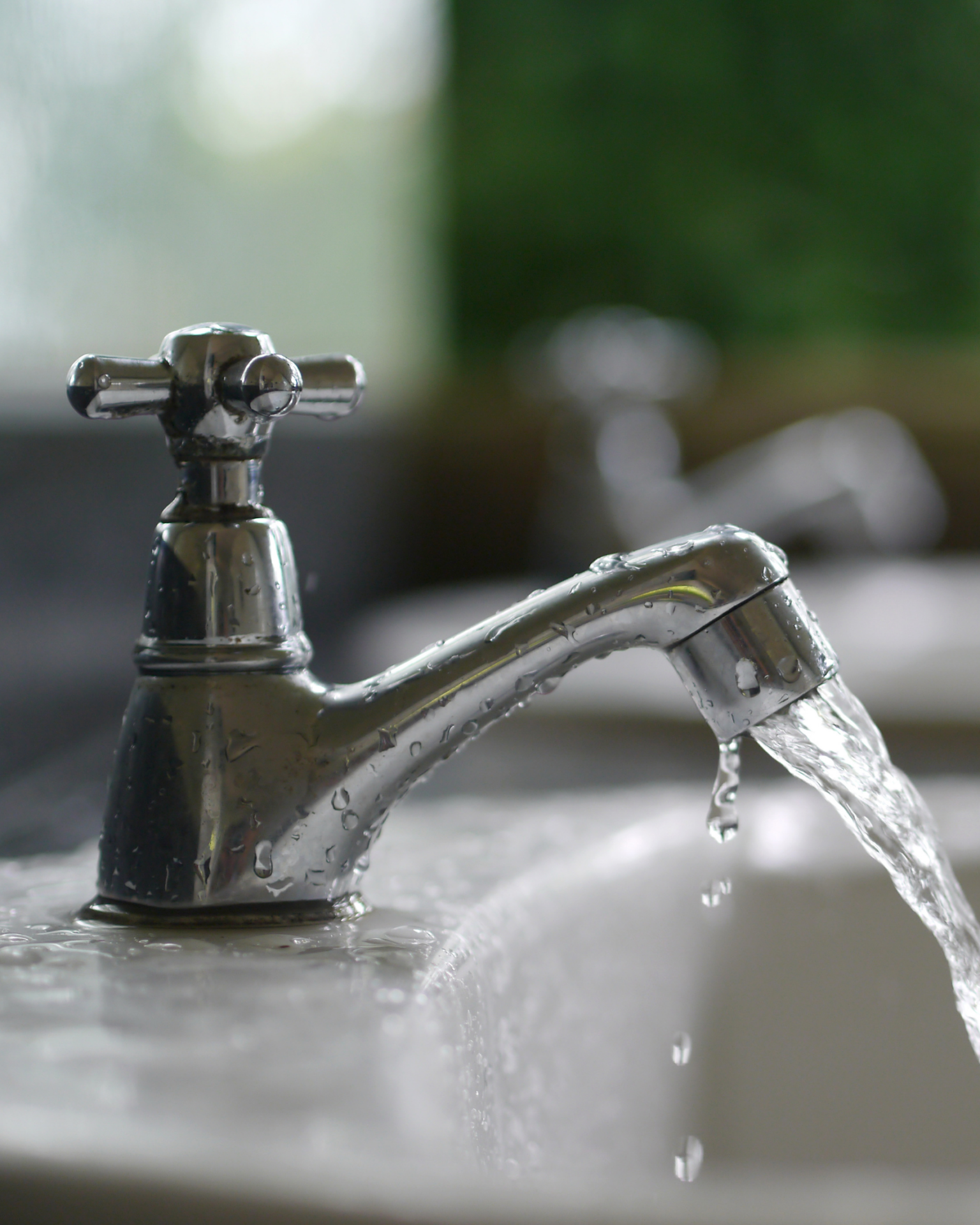
No. Boiling water does not remove lead. In fact, boiling water can make lead more concentrated. Follow guidance from local officials about using bottled water or a lead-certified (NSF/ANSI 53) filter for drinking, cooking and preparing infant formula.
What does a blood lead test tell me?
A blood lead test measures whether lead has recently entered your body.
A normal result can be reassuring, but it only reflects recent exposure. If exposure continues, your healthcare provider may recommend repeat testing.
If your blood lead level is elevated, your care team will explain the next steps and work with you to develop a follow-up plan.
Depending on your results, that plan may include:
- Additional blood testing
- Identifying and removing the source of exposure
- Nutrition counseling
- Developmental monitoring for children
- Follow-up care with your healthcare provider
Most children improve once the source of lead exposure is removed, and they stay connected to medical care.
Can nutrition help?
Yes. Eating foods rich in calcium, iron and vitamin C can help reduce how much lead the body absorbs. Your healthcare provider can also connect eligible families with nutrition resources, including WIC. While nutrition is an important part of health, if you or your child have an elevated blood lead level, then it is most important to first talk with a healthcare provider about next steps and an individual care plan for you or your child.
We’re here to help
At CommUnityCare Health Centers, we are committed to supporting every family with compassionate care, clear information and ongoing follow-up. If additional testing or treatment is needed, we’ll work with you to develop a plan and be with you every step of the way. You are not alone. We’re here to help protect the health of you, your family and our community.

Additional Resources
If you have questions about your home’s drinking water, your water provider is the best source of information about your water system, testing, and any current recommendations.
Austin Water customers
- Water Quality Program: 512-972-2133
- Austin Water offers free lead testing for eligible customers and can provide instructions for requesting a water sample kit.
Texas Water Utilities customers
- Phone: 866-654-7992
- Email: TxCustomerCare@nexuswg.com
- Website: https://www.txwaterco.com
UT Austin Study on Austin’s Colony Drinking Water
- Read the published research: https://journals.plos.org/water/article?id=10.1371/journal.pwat.0000496
Centers for Disease Control and Prevention Resources (CDC)
- https://www.cdc.gov/lead-prevention/about/index.html
- https://www.cdc.gov/lead-prevention/symptoms-complications/index.html
- https://www.cdc.gov/lead-prevention/testing/index.html
- https://www.cdc.gov/lead-prevention/risk-factors/index.html
- https://www.cdc.gov/lead-prevention/prevention/index.html
Texas Department of State Health Services (DSHS)