
Keeping Your Kids Healthy. What Parents Should Know About Vaccines.
Tara Greendyk, MD, FAAP, Director of Child and Adolescent Health
May 8, 2026
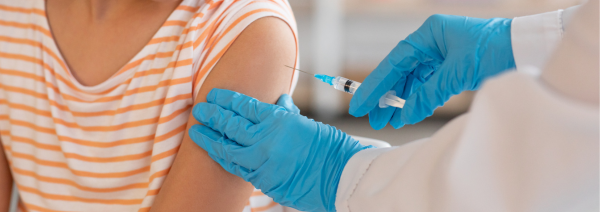
Taking care of kids is not easy. From knowing when to start solid foods to figuring out what to do when your child has a fever, parents are constantly making choices to keep their children healthy and safe.
At CommUnityCare Health Centers, we’re here to offer support and guidance through those choices and to be a trusted partner for your family.
It’s Okay to Have Questions
We know that decisions around immunizations are a big part of keeping children healthy and on track to being their best selves. At the same time, there’s a lot of information out there about vaccines—on the news, online, and across social media—and it can be difficult to know what’s accurate and who to trust. If you’re feeling unsure or have questions, you’re not alone. That’s exactly where we come in.
Let’s Walk Through What to Expect
At CommUnityCare Health Centers, we follow the immunization schedule recommended by the American Academy of Pediatrics. Children will still get common illnesses, but many vaccine-preventable diseases can be serious and are not worth the risk.
Vaccines can cause mild side effects like soreness or a low-grade fever, but these usually go away quickly. Extensive research continues to show that vaccines are safe and effective, and they are carefully monitored to ensure they meet high safety standards. You may also come across questions or concerns about vaccines and conditions such as autism. It’s understandable to want clear answers, especially when it comes to your child. Research has consistently found no link between vaccines and autism.
We’re here to talk through your questions, hear your concerns, and help you feel confident in the decisions you’re making for your child.

Why Vaccines Matter
Studies show that vaccines are one of the main reasons many serious childhood diseases are now rare. Polio is a powerful example. Thanks to widespread vaccination, polio was eliminated in the United States decades ago. Before a vaccine was developed in 1955, it was a disease that every parent feared. It mostly affected children, causing meningitis, paralysis, and sometimes death.
While some vaccines protect against diseases we rarely see anymore, others protect against illnesses that are still affecting communities today. On May 7, 2026, Austin Public Health reported a measles case in Travis County, serving as an important reminder that vaccine-preventable diseases still exist and can spread when vaccination rates decline.
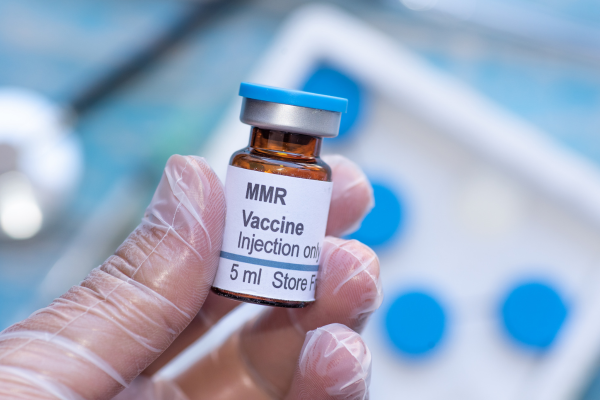
Measles is highly contagious and can lead to complications like pneumonia or meningitis. The most effective way to protect against measles is through the measles, mumps, and rubella (MMR) vaccine. Two doses are recommended for full protection.
Measles symptoms usually appear 7 to 14 days after exposure to the virus. Common symptoms include fever, cough, rash, red or watery eyes, runny nose, and small white spots inside the mouth or throat.
If you believe you may have been exposed to measles or are experiencing symptoms, contact your healthcare provider before visiting a clinic or hospital and stay home to help prevent spreading the virus to others.
Protecting children from these illnesses doesn’t just happen one family at a time, it depends on the health of the whole community. When most people are vaccinated, it helps protect those who are most vulnerable, including babies who are too young to be fully vaccinated. This is what we call herd immunity.
We’re in this together. Our team is here to listen, support your decisions, and partner with you in caring for your child. Talk with your pediatric provider about any concerns at your next visit.
Resources
- Austin Public Health: Measles Case Reported in Travis County
- American Academy of Pediatrics (AAP) Recommended Child and Adolescent Immunization Schedule
- CHOP Vaccine Education Center
- Immunize.org
- HealthyChildren.org
- American Academy of Pediatrics (AAP) Fact Checked: Vaccines: Safe and Effective, No Link to Autism