
Preeclampsia in Pregnancy. Catching It Early Makes a Big Difference.
Hope Woodard, CNM, DNP, Advanced Practice Provider
May 28, 2026
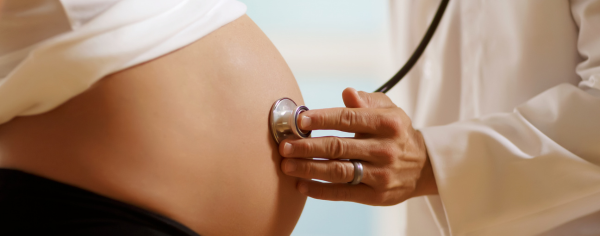
Pregnancy comes with many changes, and while some symptoms are expected, others can signal something more serious. Preeclampsia is a pregnancy complication that causes high blood pressure and can affect important organs like the liver and kidneys. Most cases develop after 20 weeks of pregnancy, but preeclampsia can also occur after delivery during the postpartum period.
Recognizing the signs and staying connected with your care team can make a meaningful difference for both parent and baby.
Understanding Preeclampsia
Preeclampsia and high blood pressure disorders during pregnancy affect approximately 5–8% of births in the United States. While the exact cause of preeclampsia is not fully understood, experts believe it may be related to how the placenta develops and functions during pregnancy.
When left untreated, preeclampsia can progress quickly and lead to serious, and sometimes life-threatening, complications. It is also one of the leading causes of premature birth and pregnancy-related complications in the United States and around the world.
Some people have a higher risk of developing preeclampsia than others.
Risk factors can include:
- First pregnancy
- Previous history of preeclampsia
- Pregnancy with twins or multiples
- Chronic high blood pressure
- Diabetes
- Obesity
- Maternal age over 35
The U.S. Preventive Services Task Force recommends that people who are at high risk for preeclampsia consider taking low-dose aspirin beginning after 12 weeks of pregnancy to help lower their risk. If you are pregnant, talk with your provider about whether this recommendation may be right for you.
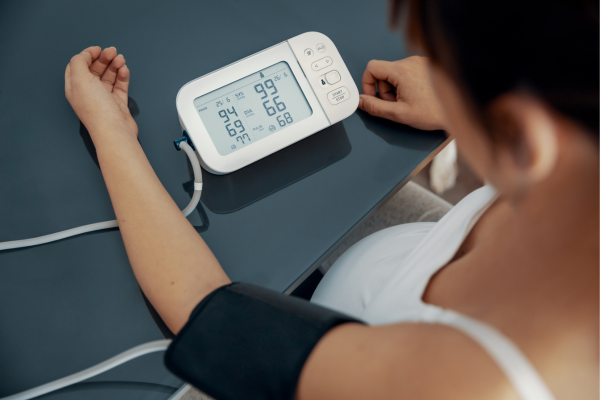
Know the Warning Signs
One challenge with preeclampsia is that it can develop quietly. Symptoms may seem mild at first or be easy to dismiss as a normal part of pregnancy, which is why awareness and regular prenatal care are so important.
Warning signs can include:
- Severe headaches that do not go away with rest or medication
- Changes in vision, such as blurry vision, sensitivity to light, or seeing spots
- Swelling in the face or hands, especially if it appears suddenly
- Pain in the upper abdomen, often under the ribs on the right side
- Nausea or vomiting later in pregnancy
- Sudden weight gain over a short period of time
- Shortness of breath or difficulty breathing
It is important to remember that swelling in the feet and ankles is common and often a normal part of pregnancy.
Why Prenatal Visits Matter
Even if you feel fine, regular prenatal visits are essential. These appointments help monitor changes that may happen before symptoms appear. Blood pressure checks, lab work, and conversations with your provider can help identify concerns early.
Skipping appointments or delaying care can mean missing early warning signs. Prenatal visits are more than routine check-ins, they are an important part of helping you and your baby stay healthy throughout pregnancy.
If you are pregnant, there are a few simple steps you can take to help protect your health:
- Attend all scheduled prenatal visits
- Learn the signs and symptoms of preeclampsia
- Seek care if you notice concerning symptoms or changes in your body
- Ask your provider if low-dose aspirin may help lower your risk during pregnancy
- If you ever feel uncertain about a symptom or something does not feel right, contact your provider. You deserve to feel informed, supported, and safe throughout your pregnancy journey.
Raising Awareness Together
During Preeclampsia Awareness Month, join us in helping raise awareness and understanding about this important pregnancy condition. Sharing information with expecting parents, friends, and family members can help more people recognize the signs early.
Early awareness and detection of preeclampsia can save lives.