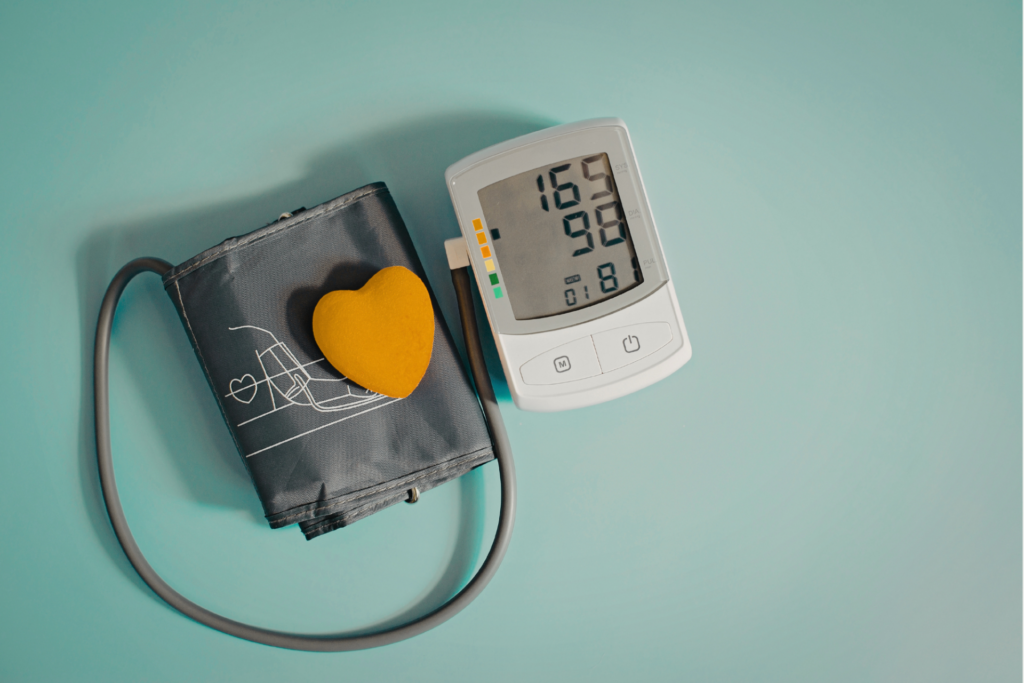
Take Control Today. How Managing Blood Pressure Can Help Prevent Stroke.
Emily Bui, PharmD, Clinical Pharmacy Resident
Catherine Nghiem, PharmD, Clinical Pharmacy Resident
Amanda Waterman, MD, Primary Care Physician
May 22, 2026
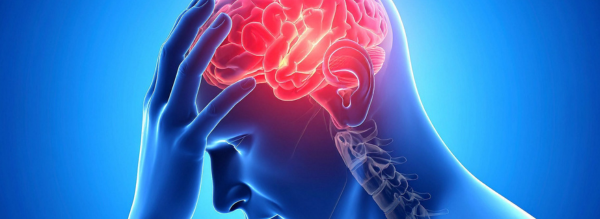
Most people don’t think about their blood pressure until there’s a problem, but high blood pressure can quietly affect your health for years without noticeable symptoms. Over time, it can increase your risk for serious conditions like stroke, heart disease, and kidney damage.
The good news is that small daily habits, regular monitoring, and support from your healthcare team can make a big difference. Understanding your blood pressure numbers and knowing the warning signs of stroke are important steps toward protecting your health and preventing future complications.
What is a stroke?
A stroke happens when blood flow to part of the brain is blocked or when a small blood vessel bursts. Without enough oxygen, brain cells begin to die within minutes.
Symptoms of a stroke can include numbness or weakness on one side of the body, trouble speaking, changes in vision, confusion, or loss of consciousness. If you have high blood pressure and you are experiencing these symptoms, seek medical attention right away. Some effects of a stroke can be long-lasting, which is why prevention is so important.
High blood pressure, also called hypertension, is the number one preventable cause of stroke. Monitoring your blood pressure regularly at home can help you and your care team better understand your health and catch concerns early.
Understanding Your Blood Pressure Numbers
Your blood pressure reading includes two numbers:
Systolic blood pressure (top number): is the pressure on your artery walls when your heart contracts.
Diastolic blood pressure (bottom number): is the pressure on your artery walls between heartbeats, when your heart relaxes.
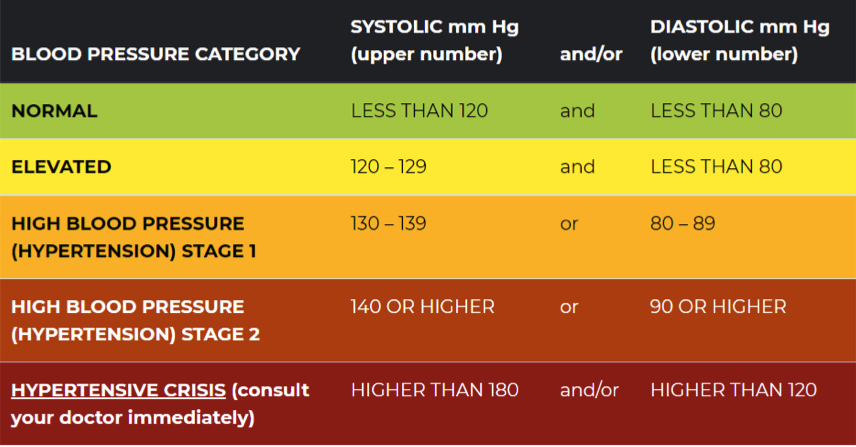
A normal blood pressure reading is less than 120/80 mm Hg. For many people diagnosed with high blood pressure, the goal is to maintain a blood pressure below 130/80 mm Hg. Contact your provider, if your blood pressure is higher than 180/120 mmHg.
Tips for Monitoring Blood Pressure at Home
Checking your blood pressure at home is one of the best ways to stay informed about your health. Here are a few ways to get the most accurate readings:
- Measure your blood pressure twice daily around the same time each day.
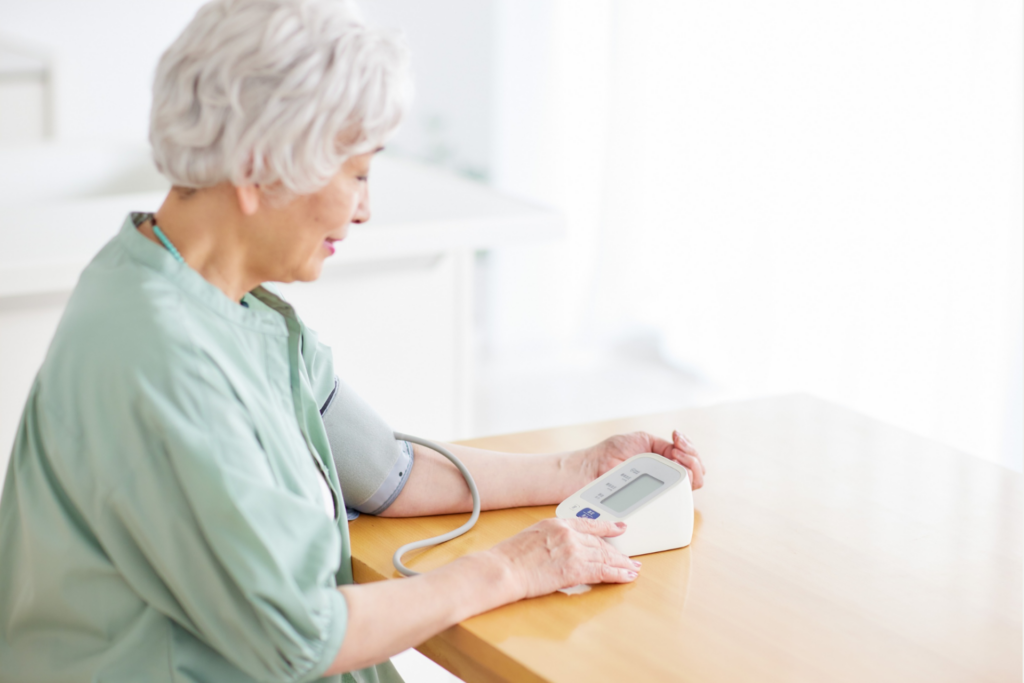
- Sit comfortably with both feet flat on the floor for at least five minutes before measuring your blood pressure.
- Rest your arm on a table while measuring your blood pressure.
- Avoid checking right after eating, drinking caffeine, or with a full bladder. These factors can temporarily increase your blood pressure and affect your reading.
- Keep a log of your readings or take photos to share with your healthcare provider during visits. You can also ask your clinic for a blood pressure logbook to help track your numbers.
Take Charge of Your Health
Managing blood pressure often starts with small, consistent habits. You can reduce your risk of stroke by:
- Consistently take your medications as prescribed. Ask questions if you don’t understand. We’re here to help.
- Reducing salt intake to less than 1,500 mg per day can help support healthy blood pressure.
- Staying active with a goal of at least 150 minutes of exercise each week.
- Maintaining regularly scheduled appointments and stay connected with your care team.
It’s also important to request medication refills at least a week before you run out to avoid interruptions in treatment. If you do not have any remaining refills, your pharmacy can send a refill request.
Checking your blood pressure regularly, talking with your healthcare provider about your results, and making healthy lifestyle changes can all help protect your long-term health. Together, we can take steps to reduce the risk of stroke and build healthier communities.