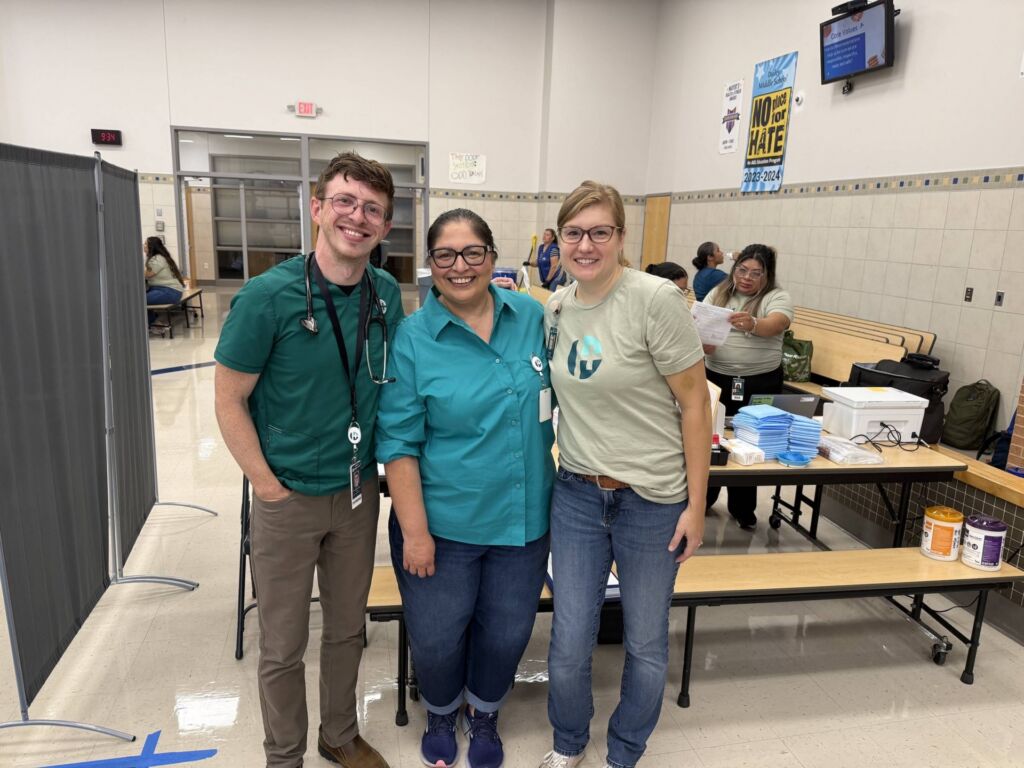
Dr. Nicholas Yagoda Nominated for Austin Business Journal’s 2026 CEO of the Year

 Dr. Nicholas Yagoda, Chief Executive Officer of CommUnityCare Health Centers and Executive Vice President of Ambulatory Services at Central Health, has been nominated for the Austin Business Journal’s 2026 CEO of the Year award, recognizing his leadership during a period of significant growth and transformation for the organization.
Since becoming CEO in 2024, Dr. Yagoda has guided the organization through continued expansion while keeping its mission of providing strengthening the health and wellbeing of the communities it serves. Under his leadership, the organization has grown both its reach and capacity to serve Central Texas communities, including many patients who face barriers to accessing care.
In 2025, CommUnityCare Health Centers served more than 148,000 patients through more than 535,000 visits, with preliminary FY26 figures showing more than 150,000 patients served. The organization has also expanded its presence in the community with the opening of the Hancock Health Center, Del Valle Health Center, and expansion of Bastrop Health Center, while continuing to strengthen services such as women’s health and behavioral health.
For Dr. Yagoda, that growth is part of a larger vision for what community health care can accomplish. Dr. Yagoda has also helped shape the organization’s strategic direction, including the 2025–2027 strategic plan and the 2026 “Year of Access,” focused on making it easier and more equitable for patients to connect to care.
“CommUnityCare serves patients in more than 60 zip codes in and around Travis County, and the vast majority of them live below 200 percent of the federal poverty level,” said Dr. Yagoda. “By giving these Central Texans access to affordable primary care, we keep people well enough to work, go to school, and be part of their communities, and we keep problems small enough to treat in a clinic instead of a hospital.”
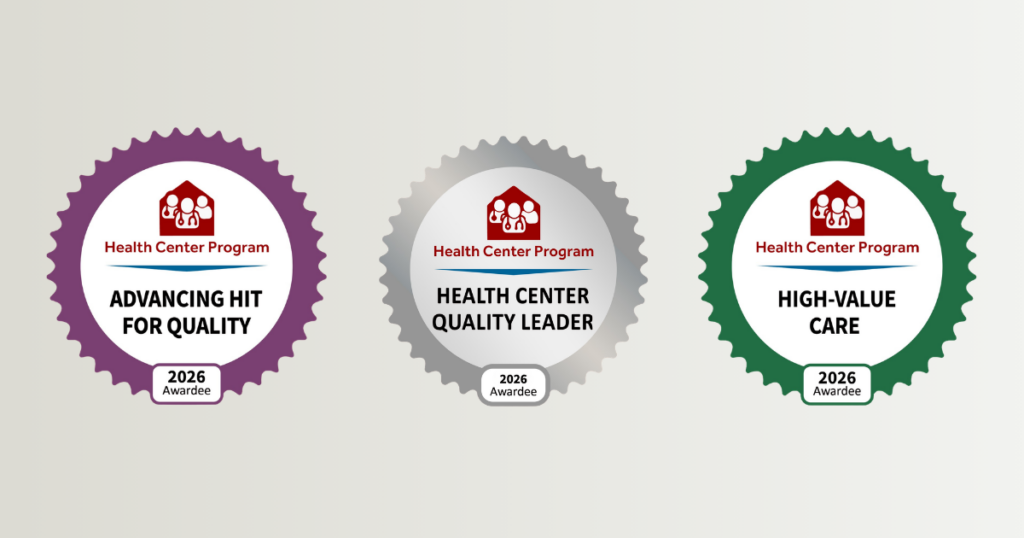
Under Dr. Yagoda’s leadership, CommUnityCare has continued to earn recognition for its quality and commitment to patients, including national recognition from HRSA and the National Association of Community Health Centers, as well as a Foster Care Center of Excellence designation from Superior HealthPlan.
While taking on his role as CEO, Dr. Yagoda has remained closely connected to both medicine and the broader health care community. He continues to practice as a family physician and HIV specialist, a role he has held at CommUnityCare Health Centers since joining the organization in 2014. He has also served as an assistant professor in the Population Health Department at Dell Medical School since 2018, helping educate and mentor future health care providers.
His commitment to health equity has extended beyond CommUnityCare as well. Dr. Yagoda has served in leadership and advisory roles with organizations including the Texas Association of Community Health Centers and the National Association of Community Health Centers and has contributed to community health initiatives focused on COVID-19, HIV prevention, substance use and access to care.
That combination of organizational leadership, clinical experience and community engagement is central to what makes Dr. Yagoda’s leadership distinctive.
“I’m honored by this recognition and by the company it puts me in – extraordinary people building organizations that make our city more vibrant,” said Dr. Yagoda. “The nomination belongs to more than 1,300 CommUnityCare employees who care for our community members every day.”
The CEO of the Year nomination recognizes not only what CommUnityCare Health Centers has accomplished under Dr. Yagoda’s leadership, but also his broader impact on strengthening the organization and expanding access to care for Central Texans.
Dr. Yagoda and the other CEO of the Year nominees will be honored at an awards dinner on October 6, where the 2026 CEO of the Year will be announced.




 It’s a busy weekday morning, and 30-year-old Brisa Salcido is bustling around her home in Buda, Texas, with her three daughters before heading into a day of doctor’s appointments and work. But for a few more moments, the responsibilities can wait. She is in the playroom with her three daughters, laughing, playing and enjoying an ordinary morning.